Advanced driver assistance systems have gone from luxury options to everyday safety gear. Cameras watch lane lines. Radar pings the car ahead. Ultrasonic sensors read curbs and parking spots. On many vehicles, the heart of that sensing array sits right where you’d least expect it: behind the windshield. That’s why a seemingly simple windshield job can ripple through systems like adaptive cruise control, lane keep assist, automatic emergency braking, and traffic sign recognition.
If you live or drive around High Point, you’ve probably noticed more dashboard icons and steering wheel buttons than you had five years ago. You’re not imagining the change. The majority of late‑model vehicles that come through local shops for cracked glass now require some form of ADAS calibration before they are ready for the road. It’s no longer enough to install clean glass and send the car home. Precision matters, and the 2 mm difference between an aligned camera and a crooked mount can translate to yards of error at highway speed.
This guide explains how ADAS calibration works, why it’s tied to auto glass service, and what to expect if you schedule windshield work, side window replacement, or mobile service in and around High Point. It draws on real jobs, the way alignment techs think, and Side window replacement High Point the hard reality that software and hardware need to agree before your safety systems behave the way you expect.
Why ADAS is tied to your windshield and windows
Most drivers associate safety features with modules buried in the dash or in the grille. Many are. But the forward‑facing camera that handles lane centering and pedestrian detection is usually mounted to the interior side of the windshield. Automakers design that bracket to sit at a precise angle and height relative to the road, and the glass thickness and curvature matter. Replace the glass, disturb the bracket, or change the camera’s relationship to the world, and the software needs a reference reset.
Radar units live in grilles and behind bumpers. Ultrasonic sensors sit in the front and rear fascias. Side cameras ride in mirrors or door trim. Even a side window replacement in High Point can affect blind‑spot cameras that peer through rear quarter glass on certain SUVs. If the housing or glass shifts, the system can call for realignment.
Here’s the part many owners don’t hear until the car is already apart: a perfectly installed windshield still changes the optical path. That’s why you’ll see calibration called out in service procedures for Toyota Safety Sense, Honda Sensing, Subaru EyeSight, GM Super Cruise, Ford Co‑Pilot360, and similar suites. It’s not a shop upcharge. It’s the manufacturer’s requirement to keep ADAS geometry true.
How calibration actually works
Calibration falls into two broad categories, static and dynamic. Vehicles use one or both depending on make, model, and specific sensors. The goal is simple: teach the camera and radar what “straight ahead,” “known distance,” and “true horizon” look like, then verify the math.
Static calibration happens in a controlled environment with specialized targets. The shop measures out a grid from the car’s thrust line, sets targets at specified heights and distances, levels the floor and vehicle, then runs OEM or OEM‑grade software to align the camera to those targets. Think of it like zeroing a scope on a rifle, but with the car sitting 10 to 20 feet from printed patterns the size of poster boards or billboards. If the windshield was replaced, static calibration often confirms the camera sees exactly what the factory intended through the new glass.
Dynamic calibration takes place on the road with a scan tool connected to the vehicle. The software prompts the technician to drive at certain speeds, keep lane lines visible, and maintain a safe following distance so the camera and radar can learn in real time. It sounds easier, but it has constraints. You need clean, well‑marked roads, steady traffic that isn’t chaotic, and weather that doesn’t confuse the sensors. Around High Point, that can mean avoiding I‑74 during rush hour and skipping calibration attempts on rainy afternoons when lane paint reflects on wet pavement.
Some brands require both. For example, a static align to get in the ballpark, then a dynamic drive to fine‑tune. Others only allow static, especially for systems that rely heavily on stereo cameras or have exacting target requirements.
What we see on the ground in High Point
Local roads and weather shape how well dynamic drives work. On a weekday afternoon, Wendover Avenue can be a mess of brake lights and short merges. I‑85 brings long stretches that are great for steady speed, but lane markings vary with ongoing maintenance. Country roads west of town offer less traffic, yet faded center lines late in summer can trip up camera learning. Winter mornings fog the glass and the sensors, so you burn time getting the car and targets to the right temperature.
Shops performing ADAS calibration in High Point often build static bays with level floors, plumbed laser lines, and target walls precisely spaced. That investment pays dividends on days when dynamic drives would take an hour and still fail due to poor conditions. Not every car needs static, but having it available avoids delays.
Mobile auto glass in High Point adds flexibility for busy schedules, and mobile rigs have improved. It’s possible to perform many calibrations on‑site if the parking area is flat, well lit, and large enough for targets and measurement. When customers live on a slope or apartment lots are cramped, a mobile tech may install the glass at your location, then meet you at the shop for calibration. The key is honesty about the space and the vehicle’s needs. Good providers triage that at booking so you don’t lose a day to a preventable reschedule.
The safety systems at stake
If calibration is off, you may not notice right away. The car will likely start and drive. Wipers sweep. Defrosters work. Then the first time you engage adaptive cruise on US‑311, the car might brake earlier than expected or fail to respond to a cut‑in. Lane departure warnings could chirp on straight roads or stay silent when you drift. Automatic emergency braking might remain unavailable, often indicated by a warning light or a gray‑out in the settings menu. Some systems self‑check and disable themselves until a calibration succeeds, but not all do it cleanly.
Here’s a quick mental map of what relies on accurate alignment:
- Forward‑facing camera: lane detection, road sign recognition, high beam assist, pedestrian detection. Radar: adaptive cruise, collision warning, cross‑traffic alert on some models. Ultrasonic sensors: parking assist distance, auto park, short‑range braking. Surround‑view and side cameras: blind‑spot visuals, 360‑degree parking views, lane change assist.
Most forward sensors are affected by windshield work. Some side cameras are affected by mirror or door work that accompanies side window replacement in High Point. Rear cameras are less often affected by glass repair, but hatch glass on SUVs can include housing for wiring and camera mounts that need care during replacement.
What “good enough” looks like to the software
OEM procedures define pass or fail in software. During calibration, the scan tool will show steps like “Adjust target to X mm at Y distance,” then report status. There’s usually a narrow alignment tolerance, often measured in minutes of arc or fractions of a degree. That makes human eyeballing useless. Even a slightly off‑center steering wheel can add noise if the vehicle uses steering angle as a reference. That’s why many shops perform a four‑wheel alignment or at least confirm steering angle sensor zero before a static session. If the car’s chassis points left while the camera points “straight,” the software will either balk or bake in the wrong baseline.
Good shops lay out reference lines, then verify with a second measurement method. Laser cross lines, digital inclinometers, and wheel clamps that establish thrust line all contribute to confidence. If a tech tells you they only need to “hook up a laptop,” ask how they level and measure. Software alone cannot move a paper target or fix a crooked mount.
Common triggers for recalibration beyond windshield work
Glass replacement is the obvious one, but it’s not the only time calibration comes into play. A front bumper repair after a parking mishap can change radar angle. A suspension lift on a crossover alters camera viewpoint. A misaligned hood or mirror replacement can affect sensors sharing those mounts. Even a heavy load in the cargo area during a dynamic drive can tilt the car enough to confuse the process. The more sensors your car has, the more often calibration shows up in service procedures.
If you use High Point auto glass repair services for side damage, and your model routes blind‑spot cameras through the rear door or quarter glass, ask the shop to check OEM guidance. Not every side window job requires calibration, but when it does, skipping it leaves you with a pretty window and a questionable blind‑spot monitor.
Costs, time, and what affects both
Drivers ask two questions more than any others: how long will it take and how much will it cost. The honest answer is that it varies by vehicle, tools, and conditions.
A straightforward windshield replacement in High Point on a mid‑size sedan with a single forward camera might take 2 to 3 hours including static calibration in‑shop. Add a dynamic drive when required, and you may tack on 30 to 60 minutes, assuming traffic cooperates. If the car needs a steering angle sensor reset or a wheel alignment first, that extends the visit. When software updates are outstanding, the shop may recommend installing them before calibration, since outdated firmware can block certain procedures.
Costs range widely. Some vehicles calibrate quickly and predictably. Others require pricey targets, long setup, or dual camera systems that add complexity. Insurance often covers calibration when tied to covered glass replacement because it’s part of returning the car to pre‑loss condition. If you’re paying out of pocket, ask for an estimate that separates glass, labor, and calibration line items. Transparent pricing helps you compare providers and avoids those awkward desk conversations when you pick up the car.
What to expect from a shop that does it right
You can tell a lot from the first five minutes on the phone. When you call about windshield replacement in High Point, the service writer should ask for your VIN, not just make and model. Trims and option packages control sensor count and calibration type. You should hear questions about your driveway slope if you request mobile service. The scheduler should explain whether calibration will be done on‑site or in the shop, and why.
On the day of service, expect the technician to photograph the vehicle condition, verify dash lights and ADAS status, and document any pre‑existing fault codes. During install, they will use a windshield that matches your OEM spec for shape and sensor clarity. After install, they will allow proper urethane cure time before calibration if the manufacturer requires it. Rushing that step can shift the glass just enough to spoil the calibration.
If static calibration is required, you’ll see targets, stands, measuring tapes, and often lasers or digital levels. It looks like a geometry class exploded in the bay. If dynamic calibration is on the menu, expect the tech to choose a route that favors steady speed and clear markings rather than a quick loop. When done, you should receive documentation that shows calibration passed, with screenshots or printouts from the scan tool. If a system won’t calibrate, the shop should diagnose why, not just try again until it sticks. Loose brackets, cracked camera housings, bent bumper supports, and even aftermarket grilles can all block success.
Edge cases that trip up even good teams
Experience helps when a job goes sideways. Three examples that come up more than you’d think:
A Subaru EyeSight car with a tiny twist in the camera bracket after a minor collision. The glass is new and correct, yet static calibration fails at the same point every time. The fix is to replace or shim the bracket to restore factory angle. Without that, you can chase software prompts for hours.
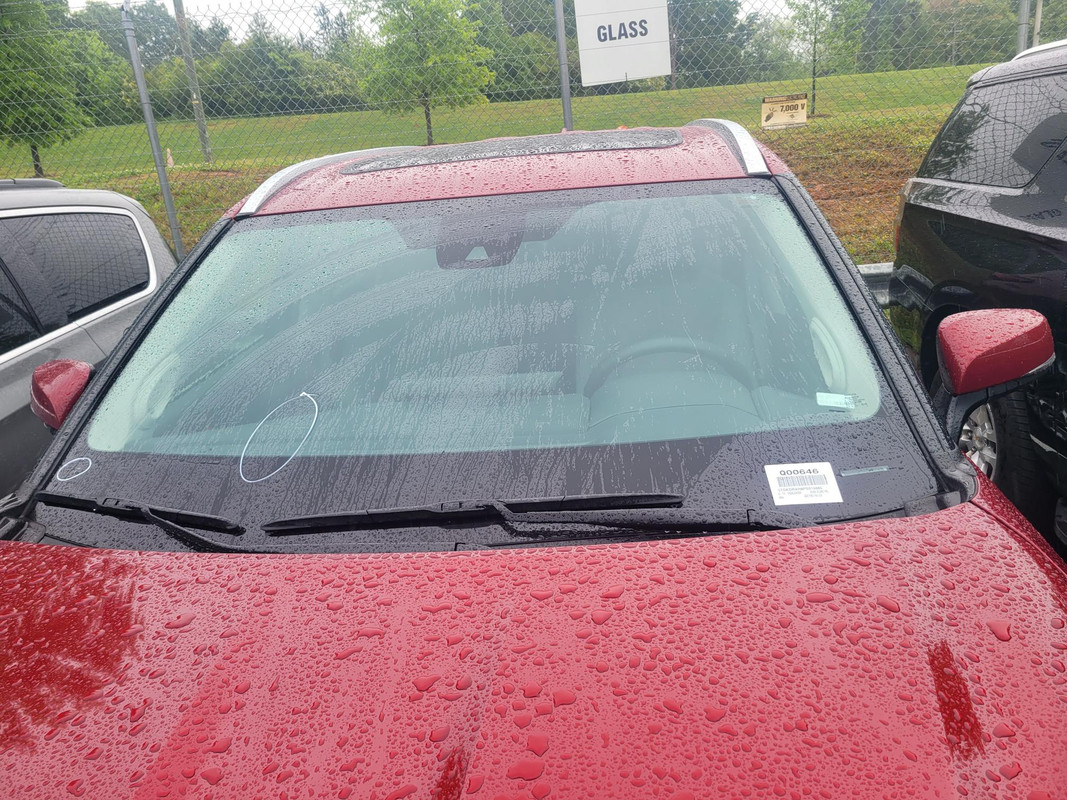
A Toyota with wind noise after install turns out to have a subtle gap in the frit area near the camera. The adhesive bead looks fine, but airflow vibrates the camera mount at highway speed. The system passes static but throws intermittent dynamic faults. Rebonding the glass in that area solves the ghost codes.
A late‑model pickup with an aftermarket leveling kit sits nose‑high. The forward camera sees too much sky and not enough road. Calibration will technically pass if you change target height, but adaptive cruise behaves strangely in stop‑and‑go traffic. Setting the ride height back to factory or recalibrating with corrected specs fixes it. This is one reason to tell your shop about suspension changes before they plan the session.
How mobile calibration fits into real schedules
Mobile auto glass in High Point exists for a reason. Parents need to keep nap windows. Nurses finish 12‑hour shifts at odd times. Small business owners can’t drop a van for a day. A good mobile team brings more than suction cups. They bring target sets, levels, and power. They also bring judgment about what can be done safely in a parking lot versus what requires the controlled environment of a shop.
You can help by clearing a flat space roughly two car lengths in front of the vehicle and one car width on either side. Good lighting helps the camera read targets. If you park under tree shade that dapples the targets, a static aligns harder than it should. If the space won’t work, a hybrid approach is common: install where you are, calibrate at the shop. If your schedule allows, that often yields a more predictable result than forcing a dynamic drive during bad traffic or rain.
Insurance, paperwork, and how to advocate for yourself
If your policy covers glass, it likely covers calibration when related to windshield replacement. Carriers vary on how they route work. Some steer toward networks. Others allow you to choose any licensed shop. You can ask for a facility that performs ADAS calibration in High Point in‑house rather than subcontracting. In‑house control reduces back‑and‑forth and shortens timelines. If subcontracting is necessary, make sure the calibration report still lands in your hands, not just in the insurer’s portal.
If a light stays on after you pick up the car, return immediately. Most reputable shops will scan, diagnose, and correct without drama. Avoid the temptation to clear codes yourself with a phone app. That can erase valuable freeze‑frame data that helps find the root cause.
When side glass work intersects ADAS
Side window replacement in High Point usually feels less technical than windshield service. It’s more about weatherproofing and security. But certain vehicles integrate cameras and antennas into the mirrors and door glass. Removing door panels can disturb harnesses that feed blind‑spot sensors in the rear quarter. On SUVs where the blind‑spot radar sits behind the bumper, a previous fender bender can leave the bracket slightly bent, and a glass tech may be the first person to notice because they’re inside the panels. A smart shop will flag that and recommend inspection or calibration. It’s an example of how cross‑system awareness saves trouble down the road.
The role of OEM procedures and high‑quality parts
Calibration success starts with the right glass. Aftermarket glass has improved, and many panes perform identically to OEM. The trick is matching the exact spec. Cameras look through an area called the frit at the top of the windshield. The optical properties there aren’t generic. If the coating, thickness, or curvature differs, the camera may struggle even if the glass fits. A quality shop checks the glass against your VIN and avoids bargain parts that cause invisible problems.
Similarly, following OEM procedures matters. Those procedures change as automakers learn more. A shop that invests in current service information and software subscriptions can save you multiple trips. Ask how often they update their scan tools and whether they support your brand’s security protocols. Newer vehicles require secure gateway access, and if the tool can’t talk to the car, the tech can’t finish the job.
Practical tips for High Point drivers scheduling ADAS‑related glass work
- Share your VIN and any aftermarket changes when you book. Mention lifts, tire size changes, bumper replacements, or mirror swaps. Ask whether your car needs static, dynamic, or both types of calibration, and where they will be performed. Plan for a little extra time. Even clean jobs can stretch if traffic or weather complicates a dynamic drive. Request calibration documentation with pass results. Keep it with your service records. If something feels off in the first few drives, return and describe exactly what you experienced. Specifics help technicians replicate and fix issues.
Where High Point’s roads meet good workmanship
A well‑done windshield replacement in High Point should fade into the background. You don’t think about the glass, you just see the road. The only hint of the work should be a quiet cabin and an ADAS suite that behaves predictably. That outcome doesn’t happen by accident. It comes from shops that respect the interplay between glass, sensors, and software, and from drivers who understand why calibration belongs on the work order.
Whether you choose a storefront with a dedicated calibration bay or a mobile team that sets up at your office, look for signs of process. Clean measurement, current tools, and a willingness to explain next steps are good indicators. High Point auto glass repair isn’t just about replacing panes anymore. It’s about delivering the invisible precision that keeps lane lines in their lane and brake lights from becoming surprises.
If you keep that frame of mind, you’ll navigate the choices around ADAS calibration in High Point with less stress, fewer callbacks, and a car that looks out for you the way the engineers intended.